Hayes End small garden gardeners who work on terraces: practical ideas for compact outdoor spaces
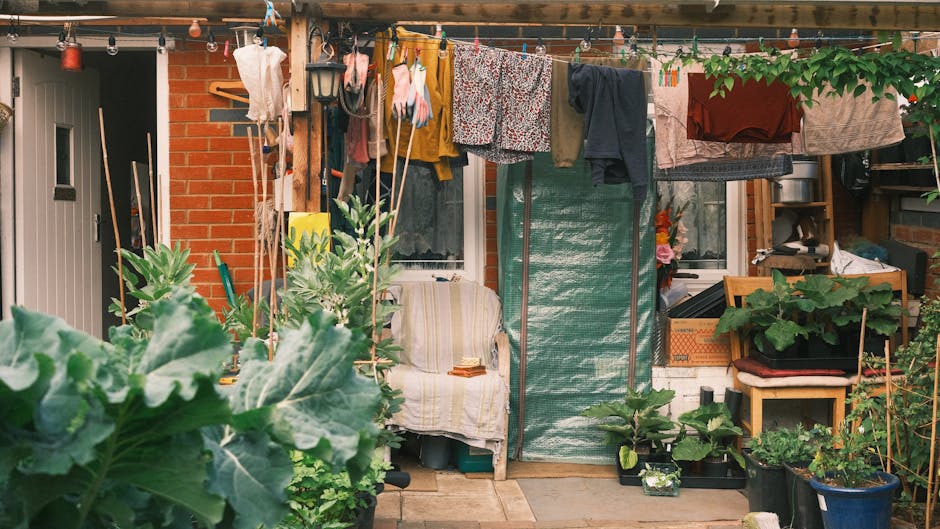
If you live in Hayes End and your garden is really a terrace, a narrow strip, a paved corner, or a small split-level outdoor area, you already know the challenge: every square metre has to work hard. That is exactly where Hayes End small garden gardeners who work on terraces come into their own. They understand how to turn limited space into something calm, tidy, useful, and genuinely enjoyable, without making it feel crowded or overdone.
In a terrace garden, the details matter. A bed that is a little too deep, a hedge that grows a bit too wide, or a patio that stays slippery after rain can make the whole space feel smaller than it is. The good news? With the right layout, planting choices, and maintenance routine, even the tiniest terrace can feel balanced and inviting. In this guide, we'll look at how it works, what to expect, what to avoid, and when to bring in experienced help. A small space is not a limitation. Not really. It's a design brief.
Why Hayes End small garden gardeners who work on terraces Matters
Terrace gardens ask for a different kind of gardening skill. You are not managing a broad lawn and sweeping borders; you are usually working with constraints, sightlines, and everyday use. In Hayes End, that often means a garden that needs to feel private, tidy, low-clutter, and easy to maintain through the year.
That matters because small outdoor spaces tend to fail for the same reasons. They get overplanted, they lack structure, or they become a storage zone for random pots, tools, and furniture that never quite fit. A terrace can also be exposed to wind, shade from surrounding buildings, or a mix of dry and damp conditions that changes across the day. You can't just "add more plants" and hope for the best. To be fair, that rarely works anyway.
Good terrace gardening is about control and softness at the same time. You want enough structure to stop the space looking messy, but enough greenery to stop it feeling hard. That balance is what experienced small-garden gardeners bring. They know how to use planting height, container placement, edging, screening, and maintenance routines to make a compact garden work in real life.
If the space includes hard landscaping, the relationship between plants and paving becomes even more important. A terrace often benefits from a well-kept surface, so services like patio cleaning in Yeading can make a surprisingly big difference to the final look. Clean paving gives plants room to shine instead of fighting against stains, moss, or grime.
How Hayes End small garden gardeners who work on terraces Works
The process usually begins with observation. A good gardener will not rush in with a shopping list. They'll look at light levels, drainage, wind exposure, access, and how you actually use the terrace. Do you sit out there with a coffee on weekdays? Is it a family space? Do you need privacy from neighbouring windows? These questions shape everything else.
Then comes the space plan. In a terrace garden, layout decisions are more important than planting quantity. The gardener will typically divide the space into zones, even if those zones are tiny: one for seating, one for planting, one for movement, and sometimes one visual anchor at the far end. That final point matters more than people think. If the eye has nowhere to rest, the garden can feel shorter and busier than it is.
Planting follows structure. Instead of scattering plants randomly, the better approach is to build layers: low ground cover, medium containers, and one or two taller elements for height. If you're aiming for a calmer, neater feel, compact shrubs and careful trimming help. If your terrace is very small, vertical planting or wall-supported displays often work better than large beds. There's a nice article on vertical gardening ideas that fits this kind of space well.
Maintenance is the final part, and honestly the bit that keeps everything looking good. Terrace gardens show neglect quickly. A few weeds, a clogged drain, a hedge that has wandered, and the whole place starts to feel tired. That is why ongoing garden maintenance matters so much. It stops small issues becoming the annoying sort of problem you keep meaning to sort next weekend.
Key Benefits and Practical Advantages
There are several reasons people in Hayes End choose specialist help for compact terrace gardens.
- Better use of space: You get a layout that feels intentional rather than squeezed in.
- More privacy: Careful screening and planting can reduce overlooked sightlines.
- Easier upkeep: Small gardens can be simple to manage when designed well.
- Improved outdoor comfort: Seating, shade, and plant placement can make the terrace genuinely usable.
- Stronger curb appeal: Even modest gardens can lift the feel of the whole property.
- Seasonal interest: A well-planned terrace can look good in spring, summer, and the colder months too.
There's also a practical advantage that often gets missed: a thoughtful terrace garden is less emotionally draining. That sounds a bit dramatic, but it's true. When the space is easy to keep tidy, you notice it more often, use it more often, and worry about it less. And that is the whole point, really.
For families or pet owners, clear boundaries and sturdy planting choices are useful too. A small terrace can be kept open and safe while still feeling green and alive. If your outdoor area needs stronger boundaries, garden fencing solutions can help frame the space without making it feel boxed in.
Who This Is For and When It Makes Sense
This kind of gardening service suits a wide mix of homeowners and tenants. If your terrace is underused because it feels awkward or too small, the space may only need better planning. If you already enjoy gardening but find that containers dry out too quickly or plants get leggy, you probably need a more tailored setup. If you simply don't have the time to keep on top of it, a practical maintenance plan may be the answer.
It tends to make sense for:
- people with compact back gardens or side terraces
- households that want a neat, welcoming outdoor seating area
- busy professionals who need low-maintenance planting
- older homeowners who want the garden easier to manage
- new homeowners starting with a blank or neglected terrace
- landlords who want an outdoor space that photographs well and stays presentable
It also makes sense after a big change, such as a move into a new property or a garden refresh after building work. In those moments, people often need more than just plant installation. They need a practical reset. That is where wider gardening services in Yeading can provide a more joined-up approach.
If your terrace includes trees or overhanging growth, it may even call for selective reduction or removal work to improve light and shape. That kind of decision should always be made carefully, but it can transform how a small space feels.
Step-by-Step Guidance
Here's a sensible way to approach a small terrace garden without overcomplicating it.
- Start with a clear purpose. Decide whether the space is mainly for sitting, planting, privacy, entertaining, or all four.
- Measure the usable area. Not just the total size. Note corners, access routes, steps, drains, and awkward narrow bits.
- Check light and shade. A terrace can have bright morning sun, shade by afternoon, and a windy funnel effect all in one day.
- Choose the structure first. Fix the hard elements before filling gaps with plants: paving, screening, seating, and container positions.
- Pick plants for the site, not the wish list. That means matching plant size, growth habit, and maintenance needs to the space.
- Use layers. A few low plants, a few mid-height features, and one taller focal point usually work better than many small unrelated pots.
- Keep surfaces clear. On a terrace, clutter spreads visually. Storage and pruning matter more than people expect.
- Build in a maintenance rhythm. Watering, deadheading, sweeping, and checks for weeds or pests should be regular, not occasional.
A simple example: a narrow terrace with two chairs, a long wall, and some tired tubs can be transformed by replacing mismatched containers with a few coordinated planters, adding one vertical planting point, and cleaning the paving. Suddenly the space looks intentional. Not expensive. Just considered.
Expert Tips for Better Results
The best small-terrace results come from practical restraint. Here are a few things experienced gardeners tend to do.
- Use repetition. Repeat the same pot shape or plant type in a few spots so the garden feels calm.
- Choose foliage with texture. Flowers come and go, but leaf shapes keep the space interesting for longer.
- Work vertically where possible. Wall-grown planting, trellis displays, and climbing plants save space. See also ideas for seating that fits a compact garden if you want the terrace to function as a real outdoor room.
- Don't crowd corners. Corners often need breathing room, not another random pot.
- Respect wind. Hayes End terraces can catch gusts, so tall, top-heavy plants need shelter or support.
- Keep one design idea simple. One strong feature is better than five half-finished ideas. That's a lesson many people learn the hard way.
For example, if you want a greener look without constant pruning, consider low, spreading ground cover in the right place rather than trying to squeeze in more upright shrubs. If ivy is already causing trouble, it is better to remove it properly than to keep cutting it back forever. There's a useful discussion on dealing with ivy safely and effectively.
And if your terrace feels flat, think about height before colour. Colour attracts the eye, yes, but height changes the sense of space. That's the trick.
Common Mistakes to Avoid
Small terrace gardens go wrong in predictable ways. The good news is that they're usually fixable.
- Overfilling the space: Too many pots make the garden feel cramped and harder to maintain.
- Choosing plants for looks alone: A beautiful plant that hates wind, shade, or dry conditions soon becomes a nuisance.
- Ignoring drainage: Waterlogging in containers or blocked run-off can quickly damage roots and hard surfaces.
- Forgetting seasonal change: A terrace that looks good in June may feel bare or battered in January if it lacks structure.
- Leaving hard surfaces dirty: A neglected patio or pathway can make the whole garden look uncared for, even if the planting is good.
- Skipping maintenance after design work: The design is only the beginning. The garden still needs tending.
If you need recurring help with pruning, edging, watering support, or general tidying, a reliable routine is often better than occasional rescue visits. For many homeowners, a service such as lawn care also helps when the terrace opens into a small patch of grass nearby. The transition between hard and soft surfaces matters more than you'd think.
Tools, Resources and Recommendations
For a terrace garden, the right tools are often lightweight, compact, and easy to store. You do not need a shed full of equipment, thank goodness.
- Hand pruners and snips: For tidying herbs, shrubs, and soft growth.
- Lightweight watering can or hose attachment: Useful where containers dry out quickly.
- Weed knife or narrow trowel: Handy for joints, edges, and tight corners.
- Broom and stiff brush: Essential for keeping terraces neat after rain and fallen leaves.
- Good-quality compost and container feed: Small planting areas depend on better soil support than ground beds.
- Planter stands or risers: Helpful for drainage, airflow, and visual layering.
For inspiration, compact gardens often benefit from design ideas that support privacy, winter structure, and year-round texture. If you want to think more broadly about style, zen-inspired garden design and affordable ideas for busy lifestyles are both worth a look.
Resource-wise, the most useful thing is still a realistic plan. A sketch on paper is enough. Mark the sunny spots, the shady corners, and where people actually walk. Simple, but it works.
Law, Compliance, Standards, or Best Practice
For most small terrace garden work, the main concern is best practice rather than formal compliance. Still, there are a few sensible points to keep in mind in the UK context.
If work involves tree pruning, the gardener should check whether any trees are protected or subject to local restrictions before carrying out major changes. If a terrace garden is shared, such as in a block or converted property, access and ownership boundaries should be clear before work begins. And if tools or machinery are being used, good safety habits matter: secure footing, clear access routes, and tidy storage of sharp equipment.
For structures such as fences, screens, or raised features, it is wise to follow standard good practice for stability and neighbourly boundaries. No one wants a trellis leaning after the first windy spell. A terrace garden should feel calm, not precarious.
Waste removal should also be handled responsibly. Green waste, prunings, and old compost should be disposed of appropriately, especially after larger clearances. If you're ever unsure about a boundary issue, shared access, or a tree-related matter, it's better to pause and check than to rush. That little pause can save a lot of hassle later.
Options, Methods, or Comparison Table
Different terrace gardens call for different approaches. Here's a practical comparison of the most common methods.
| Method | Best for | Strengths | Watch-outs |
|---|---|---|---|
| Container-led design | Very small terraces, renters, flexible layouts | Easy to move, simple to refresh, great for seasonal planting | Needs regular watering and feeding |
| Structural planting | Spaces needing privacy or definition | Creates shape, screening, and a stronger year-round feel | Must be pruned and sized carefully |
| Mixed hardscape and planting | Terraces that double as seating areas | Balances comfort with greenery, often easiest to live with | Can look busy if materials clash |
| Low-maintenance refresh | Busy households or older homeowners | Less work, cleaner lines, easier upkeep | Needs thoughtful plant choice or it can feel sparse |
In many cases, the best terrace garden is a combination of these methods. A little structure, a few strong containers, and a maintenance rhythm can go a long way. You do not need to reinvent the wheel.
Case Study or Real-World Example
Picture a typical Hayes End terrace: narrow, paved, with a small back area that gets morning sun and afternoon shade. The owner wants somewhere to sit, but the space currently feels tired and cluttered. There are three pots in different colours, a patch of weeds in one corner, and a hedge that has become wider than intended. It's not awful. It's just not working.
A sensible makeover might go like this: first, clear the clutter and cut back the overgrown growth. Then clean the paving so the surface stops dragging the space down visually. Next, introduce two or three coordinated planters instead of many mismatched ones, and place a taller feature at the far end to draw the eye outward. If the hedge is part of the problem, light shaping from hedge trimming specialists can restore proportion without making the boundary feel bare.
Finally, add one comfortable seating area and one easy-care planting theme. Maybe evergreen structure with seasonal colour. Maybe herbs with a few flowering accents. The result is not a garden that looks busy all the time. It looks settled. That is what people usually want, even if they say they want "more plants."
And yes, the first evening they sit out with a cup of tea, they usually realise the space was there all along. It just needed a bit of sense.
Practical Checklist
Use this checklist before, during, or after a terrace garden refresh.
- Measure the terrace properly, including walkways and awkward corners.
- Note which areas get sun, shade, and wind.
- Decide on the garden's main purpose before buying anything.
- Remove clutter, dead growth, and unused pots.
- Clean hard surfaces so the whole area feels fresher.
- Choose a small number of coordinated containers or materials.
- Pick plants that suit the conditions rather than the catalogue photo.
- Leave enough open space for moving, sitting, and simple maintenance.
- Plan watering and feeding, especially for containers.
- Set a seasonal maintenance schedule for pruning, tidying, and weed control.
If you can tick most of those off, you're already ahead of the game. Seriously.
Get a free quote today and see how much you can save.
Conclusion
Terrace gardens in Hayes End do not need to be large to be lovely. They just need to be well thought through. The right gardeners know how to make a compact outdoor space feel more open, more balanced, and more enjoyable to live with day to day. That means better layout, better planting choices, and better maintenance, not just more stuff.
Whether you want a calm place to sit, a private green screen, or a small garden that finally feels finished, the best results usually come from simple, careful decisions made with the space in mind. Small gardens can be generous. That's the nice surprise. They reward attention quickly, and they can become one of the best parts of the home.
When a terrace is working properly, you feel it the moment you step outside. The air seems softer. The space feels yours.
Frequently Asked Questions
What do Hayes End small garden gardeners who work on terraces actually do?
They plan, plant, prune, clean, and maintain compact outdoor spaces so they feel usable and attractive. On terraces, the work often focuses on layout, container planting, screening, and keeping hard surfaces neat.
Can a very small terrace still look good?
Yes. In fact, small terraces often look better with a clear plan than larger gardens do. A good design uses fewer, better-chosen elements so the space feels balanced rather than crowded.
How often should a terrace garden be maintained?
That depends on the planting and exposure, but most terrace gardens benefit from regular light maintenance rather than occasional heavy work. Small weekly tasks usually prevent bigger problems later.
What plants work best on a terrace in Hayes End?
Plants that suit the available light, wind, and drainage are best. In practice, that often means compact shrubs, climbers, herbs, seasonal container plants, and some evergreen structure for year-round interest.
Is container gardening better than planting in the ground?
Not always, but containers are often the most flexible option on a terrace. They let you control soil, move plants around, and reshape the look of the space without major construction.
How do I make a terrace feel less overlooked by neighbours?
Use layered screening, taller plants in the right places, and careful placement of seating. Fencing, trellis, and selected planting can soften sightlines without making the garden feel closed in.
Do terrace gardens need more watering?
Usually yes, especially when containers are involved. Pots dry out faster than in-ground planting, so watering needs to be more regular in warm or windy weather.
What is the biggest mistake people make with small gardens?
Trying to fit too much in. Small gardens need breathing room. Too many pots, too many colours, or too many features can make the whole space feel smaller and harder to maintain.
Can patio cleaning really make a difference to the garden as a whole?
Absolutely. Clean paving changes the way the entire space feels. It makes planting stand out, reduces the impression of neglect, and helps a terrace look cared for even before new plants are added.
Should I ask for ongoing maintenance or a one-off makeover?
If the space is simply untidy or poorly planned, a one-off makeover may be enough to reset it. If you want the garden to stay looking good through the year, an ongoing maintenance plan is usually the better choice.
How do I know if a terrace garden needs professional help?
If you're unsure where to start, the space feels cramped despite being small, or you keep fixing the same issues without lasting results, professional help is probably worth it. That's usually the sign the garden needs a proper plan, not just another weekend tidy-up.
Are low-maintenance terrace gardens possible?
Yes, very much so. The trick is to choose sturdy plants, limit the number of containers, keep the design simple, and set a realistic upkeep routine. Low-maintenance does not mean no-maintenance, mind you, but it can be manageable.