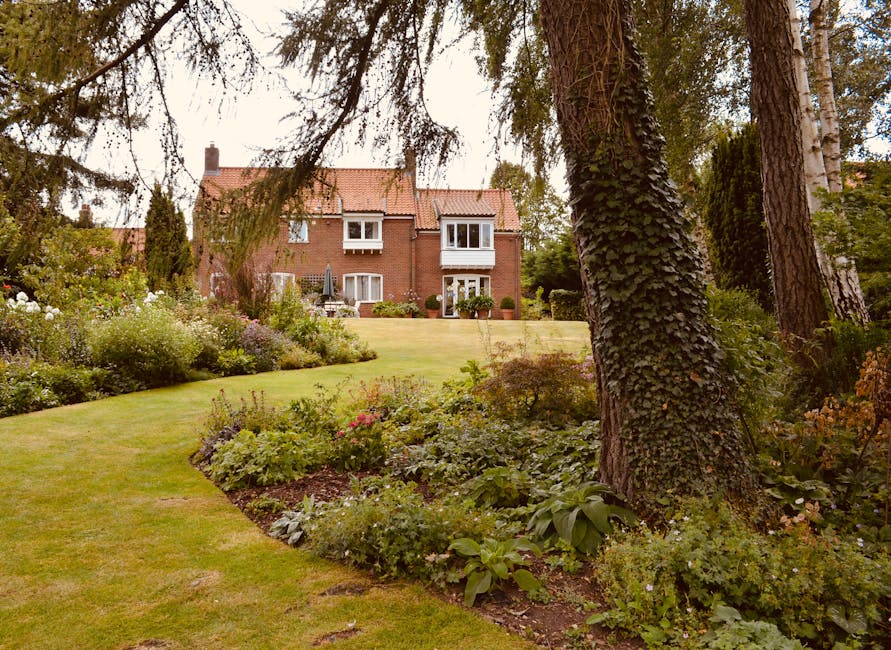
UB4 front garden makeover ideas from Yeading gardeners
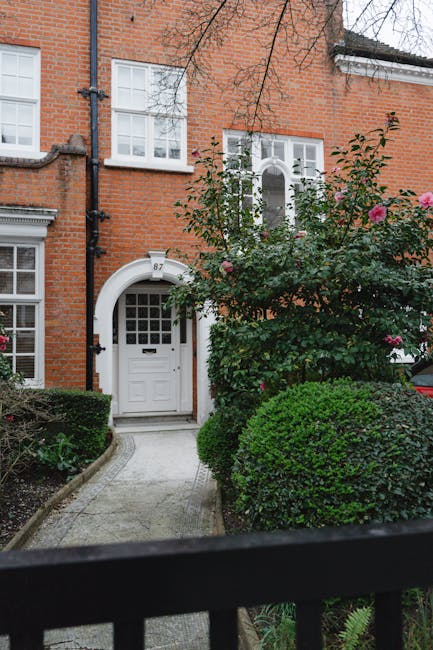
If your front garden in UB4 has started to feel a bit tired, cramped, or simply forgotten, you are not alone. Many homes in Yeading have small front spaces that need to do a lot: welcome visitors, frame the house, stay neat through wet weather, and not become a weekend chore. The good news? With the right UB4 front garden makeover ideas from Yeading gardeners, even a modest patch can become sharper, greener, and far more inviting. In this guide, we will look at practical design choices, easy wins, common mistakes, and the kind of planning that makes a makeover last beyond the first sunny week in May.
Whether you want a tidy low-maintenance look, better privacy, or simply more kerb appeal, the key is to work with the space rather than against it. That sounds obvious, but honestly, it is where most front gardens go sideways.
Why UB4 front garden makeover ideas from Yeading gardeners Matters
A front garden is not just a decorative strip. It is the first thing people notice when they arrive, and in a built-up area like UB4, it often sets the tone for the whole property. If the frontage looks overgrown, patchy, or cluttered, the house can feel less cared for than it really is. On the other hand, a well-planned front garden gives the place structure, balance, and a little breathing room from the pavement.
Local gardeners understand that front gardens in Yeading often face a few familiar pressures: limited width, shaded corners, compact driveways, worn soil, and regular foot traffic. There is also the weather to think about. Winter rain can compact the ground, while summer sun can dry out exposed beds quickly. A makeover therefore needs to be more than pretty. It needs to be resilient.
That is why good front garden design usually blends three things: visual order, simple upkeep, and planting that actually suits the site. You do not need a big budget or a dramatic rebuild to make a real difference. Sometimes a cleaner layout, sharper edges, and one or two strong planting choices are enough to transform the whole frontage.
For many homeowners, a front garden refresh also supports the wider property. Better planting can soften fencing, smarter paths can improve access, and a tidy lawn or gravel area can reduce muddy tracking indoors. If the garden has become a bit of a catch-all for bins, bikes, and forgotten pots, the makeover can restore a sense of calm. And to be fair, that calm matters when you see the place every single day.
How UB4 front garden makeover ideas from Yeading gardeners Works
A successful front garden makeover usually starts with observation rather than digging. What gets sun, what stays damp, what is awkward to reach, and which parts are already working? A good gardener will look at the whole frontage: soil level, edging, hard surfaces, drainage, planting layers, boundary lines, and how the space is viewed from the street.
From there, the process tends to move through four stages:
- Clear and assess - remove dead growth, litter, weeds, self-seeded saplings, and any tired materials that no longer add value.
- Reset the structure - define paths, borders, edges, access routes, and any focal points such as a feature pot or central bed.
- Choose the right planting style - perhaps evergreen structure, low hedging, seasonal colour, ground cover, or a mix.
- Finish with maintenance planning - so the result stays tidy rather than sliding back into neglect after a month or two.
For a compact frontage, the layout is often the biggest win. A narrow path can be widened visually with lighter materials. A cluttered bed can be simplified into one clean shape. A tired lawn may be better as a smaller, well-kept lawn surrounded by mulch or planting. In some cases, the most effective move is not adding more things at all. It is taking a few things away.
Yeading gardeners also tend to think seasonally. A front garden has to look decent in February drizzle, not only in June sunshine. That means choosing plants and finishes that hold up in real life. If you want a softer, greener front boundary, ground cover ideas for UK gardens can be a practical starting point because they help reduce bare soil and keep things looking finished. If privacy is part of the brief, the right planting or hedge choice can matter just as much as paving.
Key Benefits and Practical Advantages
A front garden makeover is not only about appearance, although that is the obvious first benefit. Done properly, it can improve how the whole property functions day to day.
- Better kerb appeal - the house looks cared for, and the frontage feels more balanced.
- Less day-to-day mess - smart edging and surfaces reduce mud, weeds, and stray debris.
- Clearer access - a well-planned path makes bins, bikes, and foot traffic easier to manage.
- More privacy - low hedging, shrubs, or screening can soften sightlines from the street.
- Lower maintenance - the right planting palette can reduce weekly work.
- Better drainage and durability - thoughtful surfaces and soil management help the garden cope with wet weather.
There is also a subtler benefit: the whole property can feel more settled. A neat front garden gives the eye somewhere restful to land. That sounds a bit poetic, but you notice it every time you come home. It is the difference between "just a front space" and a frontage that actually welcomes you in.
For homes with older shrubs or awkward boundary growth, a makeover can also help reset plant health. Sometimes what looks like a design problem is really a maintenance one. Trimming back overgrown hedges, removing ivy from the wrong places, or clearing tired growth can immediately make room for a cleaner design. If invasive climbers have become part of the problem, practical ivy control tips can help you understand why removal is often a design step as much as a tidy-up task.
Who This Is For and When It Makes Sense
This kind of front garden project suits a wide range of homeowners, but it is especially useful if your space falls into one of these categories:
- Small or narrow front gardens that need visual order
- Frontages with tired grass, bare soil, or patchy planting
- Homes where the entrance feels hidden or unwelcoming
- Properties with a constant weed or moss problem
- Garden owners who want lower-maintenance options
- Families who need a tidy, safe, easy-to-cross front space
- Homeowners preparing to sell or let a property
It also makes sense if you are simply fed up with working around the same problems every season. Perhaps the lawn never really recovers after winter. Perhaps the hedge has become too big for its space. Or perhaps the whole area looks fine from a distance, but up close it is a jumble of pots, cracked edging, and neglected corners. We have all seen that sort of garden. It does not need a total rebuild, just a proper plan.
If you are considering a bigger refresh, it can help to think beyond the plants and into the structure. Services such as local landscaping support in Yeading can be useful when a frontage needs hard-edged changes like new beds, paths, levels, or seating nooks. If you just need the garden kept in shape after the makeover, routine garden maintenance is the sensible next layer.
Step-by-Step Guidance
Here is a practical way to approach a front garden makeover without turning it into a never-ending project.
1. Start with a proper clear-out
Remove dead plants, broken pots, loose stones, weeds, and anything that no longer earns its place. This gives you a clean slate and makes it much easier to see the real shape of the space. If you have a lot of overgrowth or woody material, a tidy reduction can make an immediate difference. In some gardens, a light cutback opens up more usable space than any new feature would.
2. Decide the main job of the garden
Ask yourself what the front garden should do first. Do you want parking softened? Better privacy? A greener entrance? Less maintenance? One strong purpose makes the design choices easier. If everything gets equal priority, the result often becomes muddled.
3. Choose a layout that matches the house
Look at the frontage from the street. Does the house suit symmetry, or would a looser planting layout feel more natural? Straight lines work well for formal entrances. Gentle curves can help small spaces feel less boxy. Either way, keep circulation clear. A front garden should feel easy to cross, not like an obstacle course.
4. Add structure before colour
Think hedges, evergreens, edge lines, fence treatment, and path definition before you worry about flowers. Structure gives the garden its backbone. Seasonal colour is the finishing layer. If the structure is weak, even lovely plants can look a bit adrift.
5. Improve the ground underfoot
Old compacted soil, poor drainage, and weedy patches can drag the whole design down. Light cultivation, compost, bark, or mulch can help, depending on the planting plan. Where the frontage includes paving or a worn path, a professional clean can lift the whole scene. In fact, a properly finished entrance often starts with the hard surfaces. A service like patio cleaning in UB4 may sound like a rear-garden job, but the same principle applies: clean lines make planting look better.
6. Plant for the site, not for the catalogue
Choose plants that can handle shade, wind, drought, or heavy footfall as needed. A front garden gets judged every day, so it needs dependable performers. For year-round greenery and less bare soil, a mix of evergreen shrubs and thoughtful ground cover works better than a random collection of "nice" plants. If you need more inspiration, consider reading about evergreen climbers for shady spots or wind-tolerant garden solutions when your frontage faces exposed conditions.
7. Finish with a maintenance rhythm
Once the makeover is in place, set a realistic routine. Little and often usually wins. A quick tidy every week or two prevents the space from drifting. That includes edging, deadheading, weeding, checking for pests, and keeping paths clear. No grand drama. Just steady care.
Expert Tips for Better Results
Local gardeners tend to focus on a few things that make front garden transformations last.
Keep the palette restrained. Two or three repeating materials usually look smarter than six competing finishes. For example, a pale gravel, a dark-edged bed, and a green planting scheme can feel calm and crisp.
Use repetition. Repeating one plant, pot, or edging style helps a front garden feel intentional. It is a small trick, but it works. People often think they need more variety, but repetition is what creates coherence.
Mind the proportions. A low hedge can frame a path beautifully, but a hedge that is too tall can swallow a compact frontage. Likewise, a giant pot on a tiny step can look a bit theatrical in the wrong way. Slightly funny, perhaps, but true.
Plan for the view from inside the house too. Front gardens are not only for visitors. You see them from the hallway, kitchen, or landing. That means the planting should look good from a few angles, not just from the pavement.
Think in layers. Ground cover at the front, mid-height planting in the middle, and a stronger feature at the back usually gives better depth than one flat band of plants. A helpful place to start is starting a garden makeover in stages, which is a sensible approach if your frontage feels overwhelming.
Do not ignore hard landscaping. Good planting gets much more attention when the boundaries, paving, and edges are neat. A garden can be full of potential, but if the fence is tired or the edging has collapsed, the whole thing will feel half-finished. That is where fence improvements can become part of the visual plan, not just the practical one.
Common Mistakes to Avoid
Front garden makeovers often go wrong in predictable ways. The good news is that most of them are easy to avoid once you know what to watch for.
- Overplanting - too many plants create maintenance headaches and visual clutter.
- Choosing plants for looks alone - if the plant does not suit the site, it becomes a problem later.
- Ignoring drainage - waterlogged soil ruins planting plans faster than people expect.
- Making paths too narrow - especially common in compact urban gardens.
- Using too many materials - mixed finishes can look messy rather than creative.
- Forgetting maintenance - a makeover that cannot be maintained is really just a short-lived tidy-up.
- Leaving mature shrubs unmanaged - they can dominate the front view and block light.
One common issue in UB4 is trying to force a "big garden" look into a small frontage. You do not need layers and layers of ornamentation. Often, the most effective front garden is the one that feels calm and easy to read. A clean entrance, one clear focal point, and a few reliable plants can be stronger than a crowded display.
Another trap is underestimating the impact of regular mowing and edging if there is any lawn at all. A patchy, straggly lawn can make the whole frontage feel unfinished. A professional lawn mowing service in UB4 or consistent DIY care can keep that area crisp. If the turf itself needs more than a trim, lawn care support can help the space recover.
Tools, Resources and Recommendations
You do not need a van full of specialist kit to improve a front garden, but a few practical tools make life easier.
- A sturdy hand trowel and border fork for planting and weeding
- Sharp shears or secateurs for light pruning
- Edge tools for defining lawn and bed lines
- Gloves that actually fit properly, which sounds obvious until you are digging in cold soil
- Mulch, compost, or soil conditioner suited to the site
- A hose or watering can for establishing new plants
For planning, it helps to sketch the frontage roughly to scale. Nothing fancy. Just note paths, doors, windows, bins, fences, and any awkward corners. Then mark the areas that need structure, softness, or concealment. If the space is partly shaded, a guide to shade-friendly climbers can open up more possibilities. If you enjoy a more minimalist, low-clutter approach, a bit of calm, zen-inspired landscaping thinking may also suit your design better than a busy cottage style.
For busy households, the smartest resource may simply be a maintenance plan. A front garden can only look polished if someone keeps an eye on it. That does not mean endless work. It means trimming, weeding, sweeping, and checking edges before small jobs become big ones. If you would rather hand over the heavy lifting, professional gardening services in Yeading can help manage both the makeover and the upkeep.
Law, Compliance, Standards, or Best Practice
Front garden work in the UK does not usually involve much red tape, but there are still a few sensible boundaries to respect. If your garden borders a pavement, driveway, or shared access, keep the design safe and unobstructive. That means avoiding overhanging branches, slippery surfaces, and features that could trip pedestrians or block sightlines.
If you are replacing fencing or making boundary changes, it is wise to confirm the ownership and layout of the boundary before starting. For larger trees, the work may need a more careful approach, especially if branches affect neighbours or the street. In those cases, tree surgery in Yeading can be relevant where overgrown crowns or storm-damaged limbs are part of the wider makeover.
For hard surfaces, the main best practice is simple: make sure the finish is stable, drains reasonably well, and does not create a slip hazard in wet weather. For planting, choose species that are appropriate for the light levels and available space. Try not to plant too close to walls or foundations without considering mature spread. It is the sort of thing people skip when excited, then regret six months later.
If you are unsure how far to go with pruning, hedge shaping, or screening, the safest approach is to keep the work balanced rather than severe. Good hedge trimming is not just about cutting things down. It is about maintaining form, health, and proportion. That is reflected well in balanced hedge shaping ideas, which is a useful mindset for front garden design too.
Options, Methods, or Comparison Table
Different front gardens call for different approaches. Here is a simple comparison of common makeover styles.
| Approach | Best for | Strengths | Trade-offs |
|---|---|---|---|
| Low-maintenance planting | Busy homeowners, small gardens | Easy to care for, tidy year-round, good for kerb appeal | Can feel plain if not layered well |
| Formal layout | Straight-fronted homes, neat finishes | Looks orderly, suits symmetry, strong first impression | Needs regular clipping and edging |
| Soft natural planting | Homes wanting a relaxed, greener look | More seasonal character, softer street view | Can look untidy without discipline |
| Hardscape-led design | Frontages with driveways or high foot traffic | Durable, practical, easy access | Needs planting to avoid feeling harsh |
| Privacy-focused screen | Homes close to the road or neighbours | Reduces exposure, creates calm, adds structure | May reduce light if overdone |
In real life, many of the best front gardens mix two or three of these methods. For instance, a neat formal path with softer planting at the edges can feel both practical and welcoming. Or a driveway framed by low evergreens and ground cover can stay tidy with less effort than a heavily flowered border. If you like the idea of more layered living planting, vertical gardening ideas may also be useful for tight spaces where ground area is limited.
Case Study or Real-World Example
A typical UB4 front garden makeover might begin with a modest, slightly tired frontage: a patchy lawn, a few overgrown shrubs, a narrow path, and weeds pushing through old edging. Nothing dramatic. Just one of those spaces that has lost its shape over time.
In a practical redesign, the first move would be to clear the dead growth and reduce the shrubs to a size that suits the house. Next, the path could be defined more clearly, with the edges sharpened so the route feels intentional rather than accidental. The lawn, if kept, would be trimmed regularly and bordered cleanly. If it is not worth the effort, it might be replaced with a smaller planting area and a more durable finish around it.
Then comes the planting. A couple of evergreen anchors, some low-maintenance perennials, and a reliable ground cover can immediately change the tone. The house starts to look framed rather than exposed. If the boundary feels bare, a tidy hedge or fence line can help, while a small feature pot by the entrance gives the eye a place to settle.
The result is not flashy. That is the point. It looks settled, cared for, and quietly confident. You get the feeling the garden belongs to the house rather than fighting with it. And that kind of change, to be honest, can be surprisingly powerful.
For homeowners who want a similar transformation without doing everything themselves, it is sensible to combine design work with upkeep. That might mean a one-off refresh followed by periodic visits for trimming, edging, and general control. Ongoing maintenance in Yeading keeps the momentum going once the main makeover is complete.
Practical Checklist
Use this checklist before, during, or after your front garden makeover:
- Clear away dead plants, weeds, and unwanted clutter
- Check how much sun, shade, and wind the front garden receives
- Decide whether the main goal is privacy, style, access, or low maintenance
- Keep paths and door access clear
- Use no more materials than the space really needs
- Choose plants that suit the site, not just the pictures
- Include at least one evergreen or structural element
- Define edges cleanly around beds, lawn, or paving
- Inspect boundary elements such as fencing or hedging
- Plan a simple routine for watering, weeding, trimming, and sweeping
- Review how the garden looks from the street and from indoors
- Book help for any bigger pruning, landscaping, or maintenance tasks if needed
If you can tick most of those off, you are already in a much stronger position than many front gardens in the area. Little improvements add up quickly.
Get a free quote today and see how much you can save.
Conclusion
The best UB4 front garden makeover ideas from Yeading gardeners are rarely the most complicated ones. They are the ones that suit the property, respect the space, and stay manageable over time. A crisp layout, dependable planting, tidy edges, and a realistic maintenance plan can turn a forgettable frontage into something you are proud to walk past every day.
Whether you want a more welcoming entrance, better privacy, or a simpler garden that does not demand constant attention, the answer usually starts with honest planning. Look at the space as it is, not as you wish it were. Then build from there, steadily. That is how good front gardens happen. Not overnight. Not by accident. But with a clear eye and a bit of care.
And if you are standing at the window this evening, looking at the front path and thinking, "Right, this needs sorting," that is a perfectly good place to begin.
Frequently Asked Questions
What are the best UB4 front garden makeover ideas from Yeading gardeners for a small space?
For a small front garden, the best ideas usually involve clear edges, one strong focal point, compact planting, and a simple surface plan. Keep the layout open and avoid overcrowding, because small spaces can look busier than they really are very quickly.
How can I make my front garden look tidier without a full redesign?
Start with clearing weeds, sharpening borders, pruning overgrowth, and cleaning paths or paving. Those jobs often create a bigger visual improvement than adding new features. In many cases, a tidy-up is the makeover.
What plants work well in a front garden in Yeading?
Reliable evergreens, low-maintenance shrubs, and ground cover are often a good fit, especially where you want year-round structure. The best plants depend on sun, shade, soil, and how much upkeep you want to do.
Is a front garden makeover worth it if I only have a tiny budget?
Yes, because a small budget can still achieve meaningful improvements. Re-edging, weeding, mulching, trimming, and selecting one or two strong plants can change the look of the garden without a large spend.
How do I keep a front garden low maintenance after the makeover?
Choose plants that suit the site, limit the number of finishes, and set a simple routine for trimming and weeding. A low-maintenance garden is usually the result of good design, not just less effort.
Do I need professional help for a front garden makeover?
Not always. Small tidy-ups can be handled by many homeowners. But if the space needs structural changes, heavy pruning, hedge shaping, or a more polished finish, professional help can save time and avoid mistakes.
Should I keep a lawn in a front garden?
Only if the lawn is genuinely useful and easy to maintain. In some front gardens, a smaller lawn works well. In others, replacing it with planting or a more durable surface is the smarter choice.
How do I make the front of my house look more private?
Low hedging, carefully chosen screening plants, and boundary treatment such as fencing can all help. The trick is to add privacy without making the frontage feel shut in or gloomy.
What is the biggest mistake people make with front garden makeovers?
Overfilling the space. Too many plants, materials, and decorative details can make the garden feel cluttered and harder to maintain. A cleaner layout usually lasts longer and looks better from the street.
Can a front garden makeover improve kerb appeal before selling a house?
Yes, often quite noticeably. A tidy, welcoming frontage helps a property feel cared for and well kept. It is not about pretending the house is something it is not. It is about showing it at its best.
How often should a front garden be maintained after the makeover?
Most front gardens benefit from light attention every week or two, especially in the growing season. Small, regular jobs are easier than letting the space slide and then facing a much bigger job later.
What should I do if my front garden has overgrown hedges or trees?
Start by assessing what can be trimmed back safely and what may need more careful work. Larger trees or major hedges may need professional attention, especially if they affect light, neighbours, or access.
In the end, a front garden does not need to shout. It just needs to feel right when you arrive home. That is usually enough.